
T Coronae Borealis
A year-long photometric study of a recurrent nova due to erupt. I took my own DSLR telescope photometry, analyzed archival light curves, and built the software to read them.
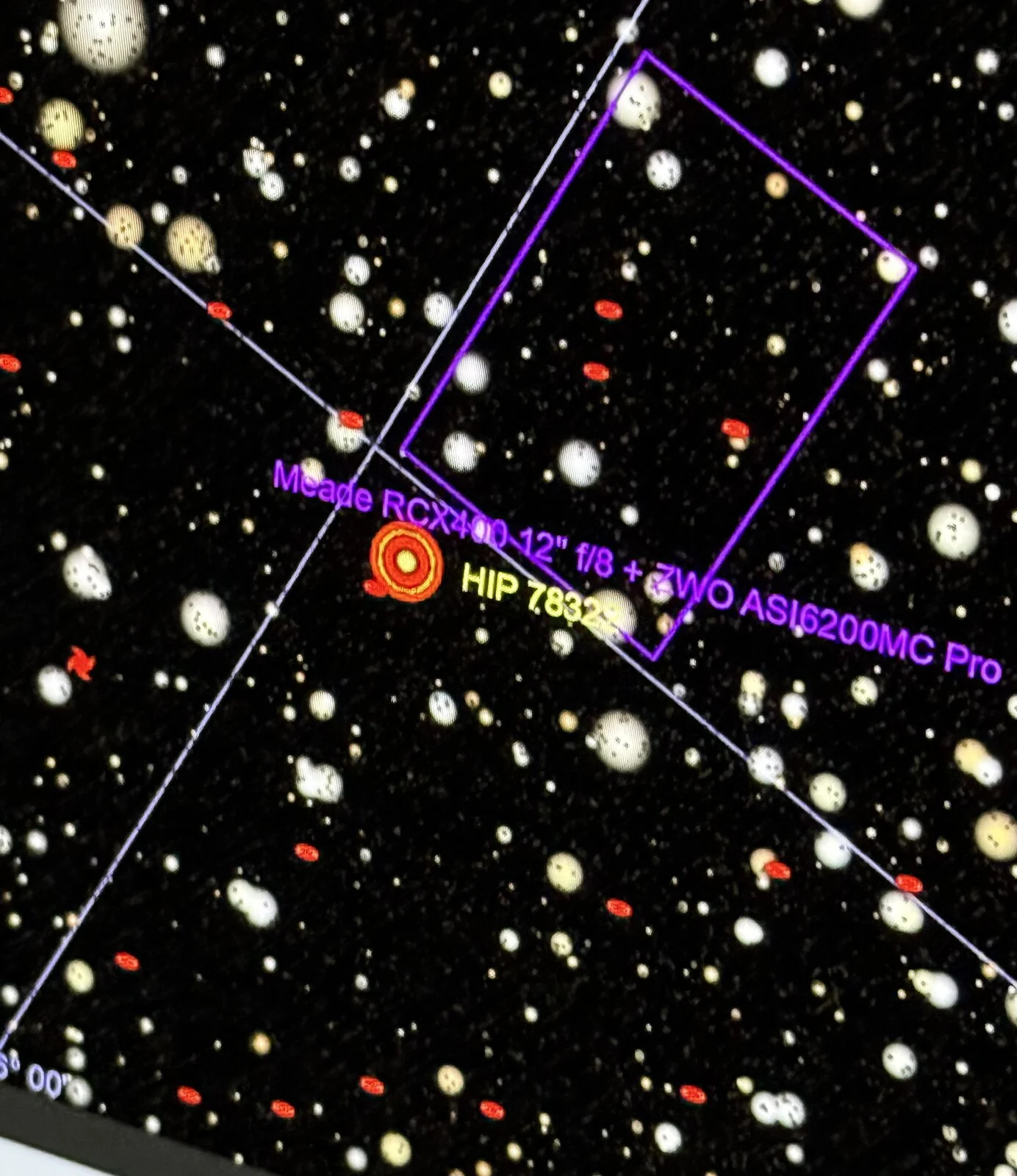
T Coronae Borealis is a recurrent nova, a close binary that flares dramatically roughly every eighty years. It became my graduation research after a friend mentioned it during one of those nights lying on the field at KSA, naming constellations after dinner.
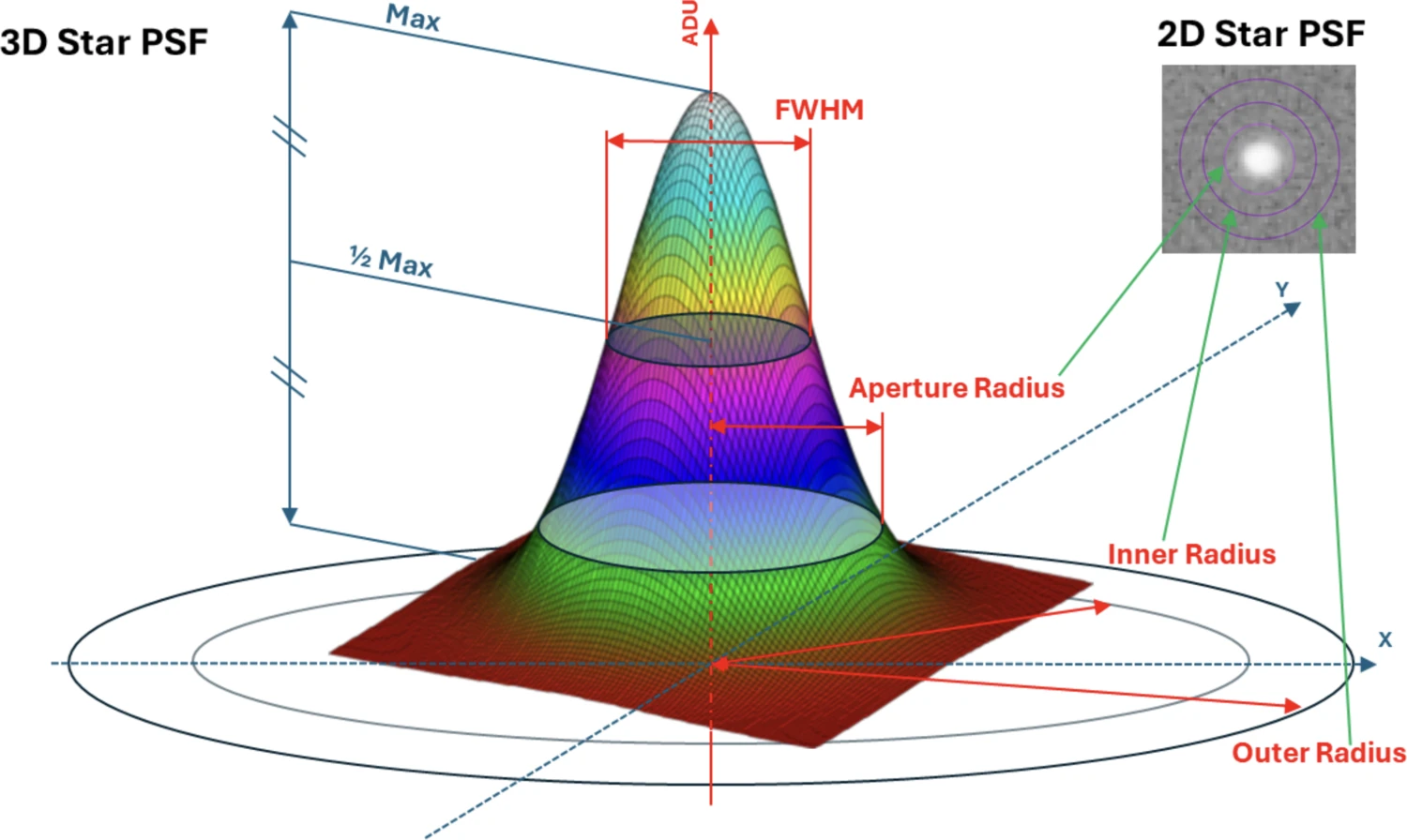
Over the year I pulled archival data, studied the system's physical properties, and wrote my own analysis software, a full CR3 → FITS → aperture-photometry pipeline, rather than forcing existing tools to fit. The honest catch: the nova didn't erupt during the project, so the study is unfinished, and the most interesting data is still in the future.
Is the system showing the signatures of a star about to go off, and what can archival brightness data tell us before it does?
Pulled archival photometry and studied the binary's physical properties, learning the observational side rather than just the theory.
Wrote photometry-analysis software in Python and released it on GitHub, so the pipeline is reusable when the eruption finally happens.
It hasn't erupted yet, so the conclusion stays open, a real lesson in research not resolving on your schedule.
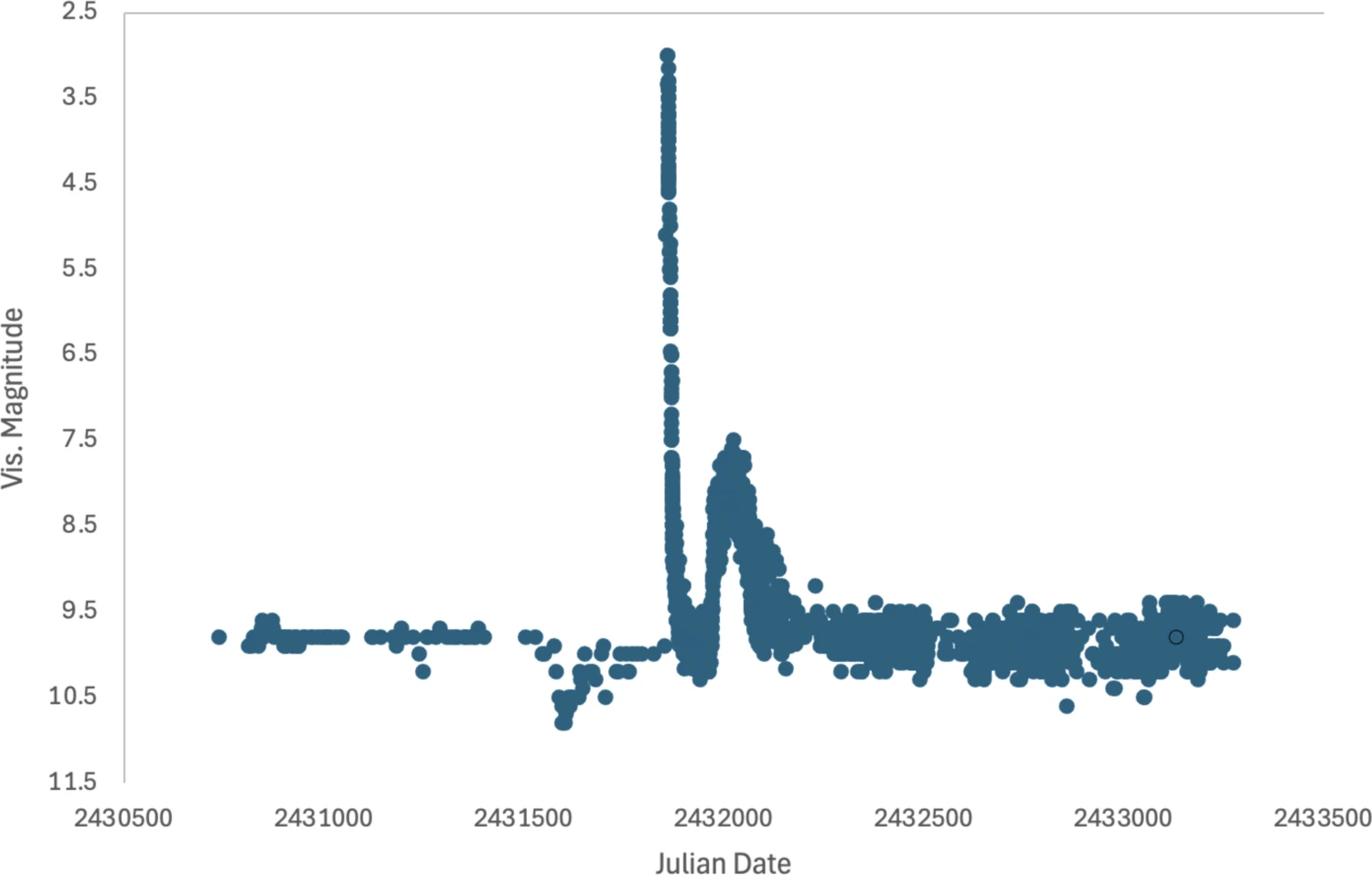
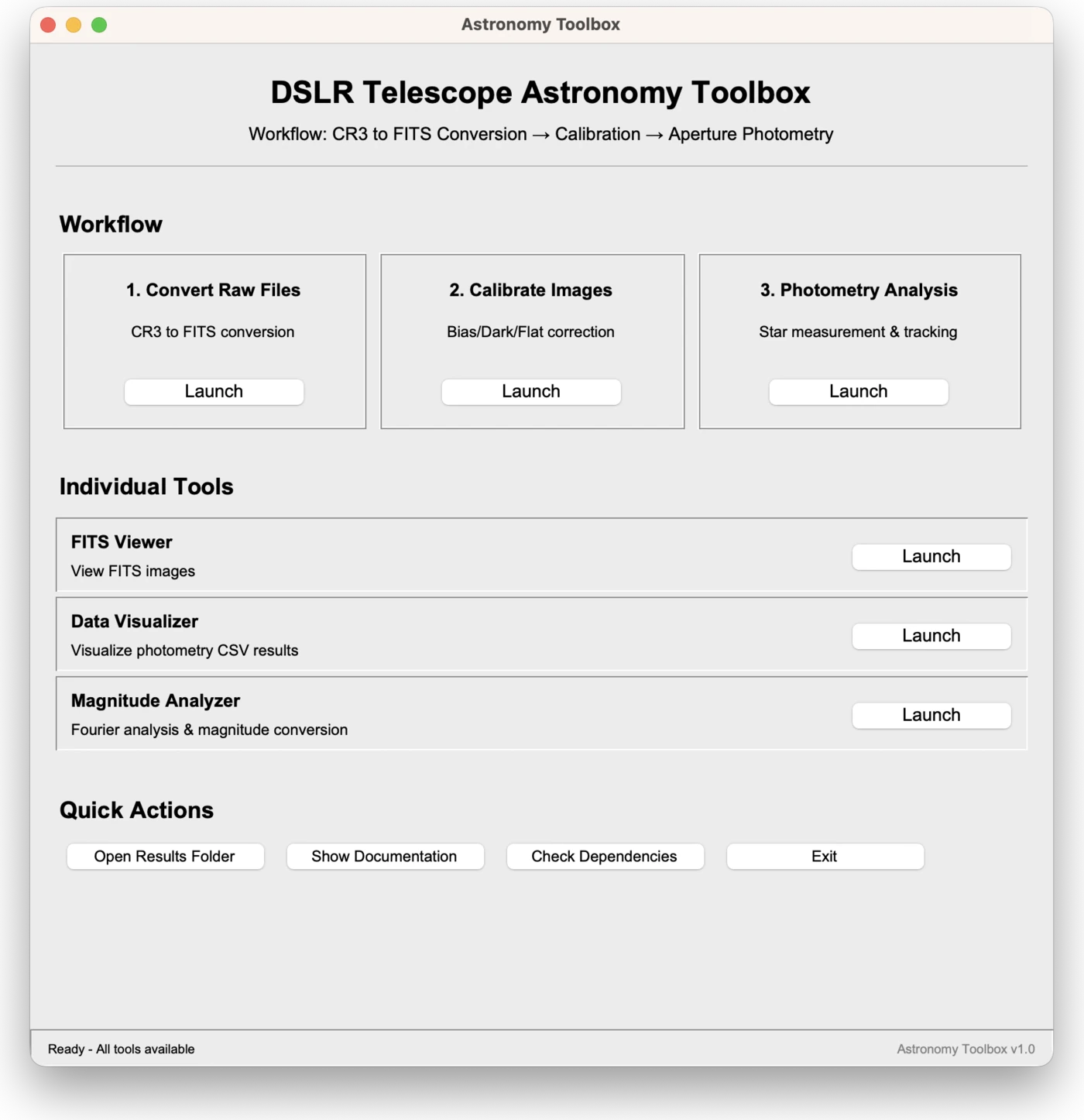
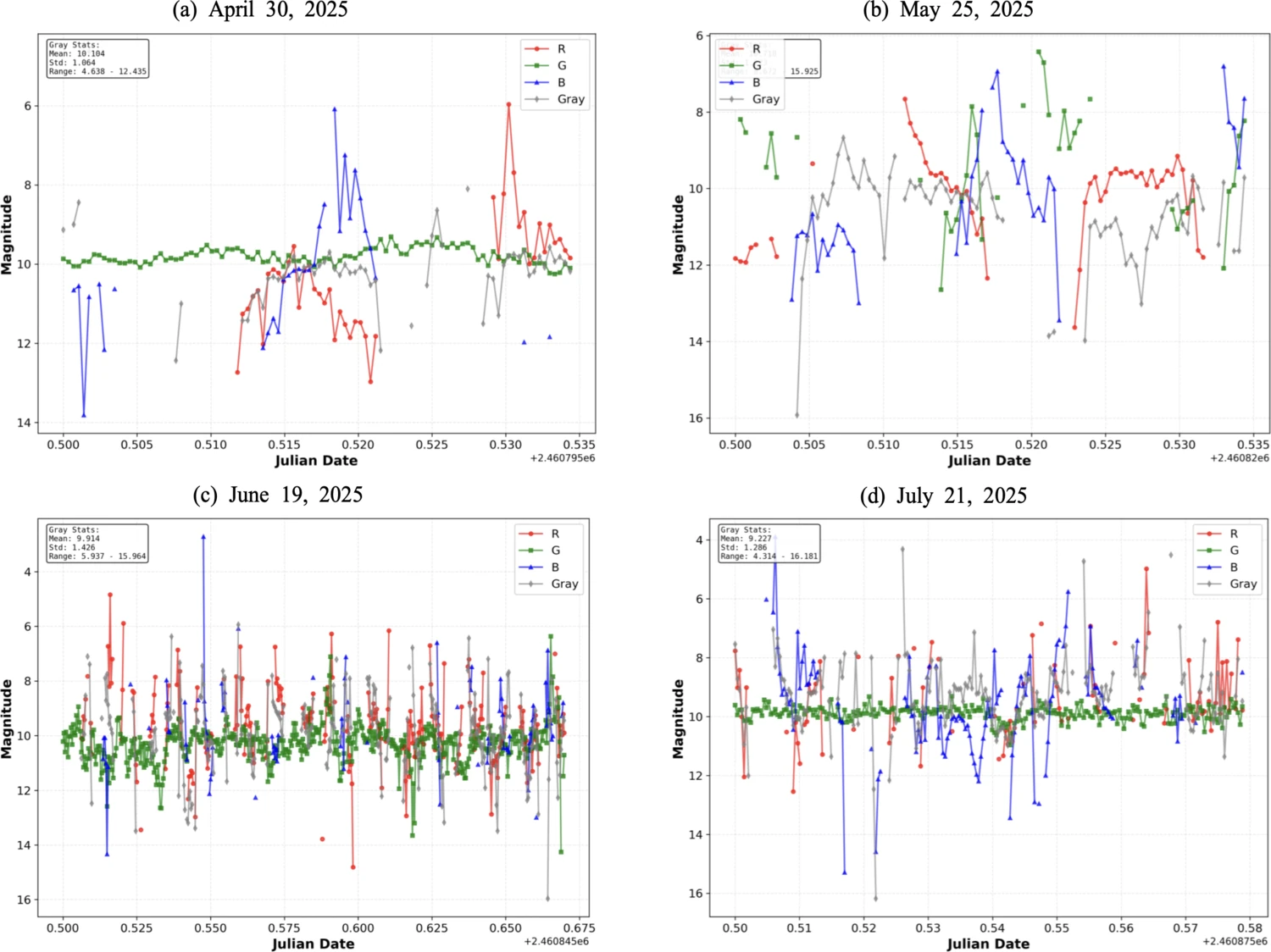
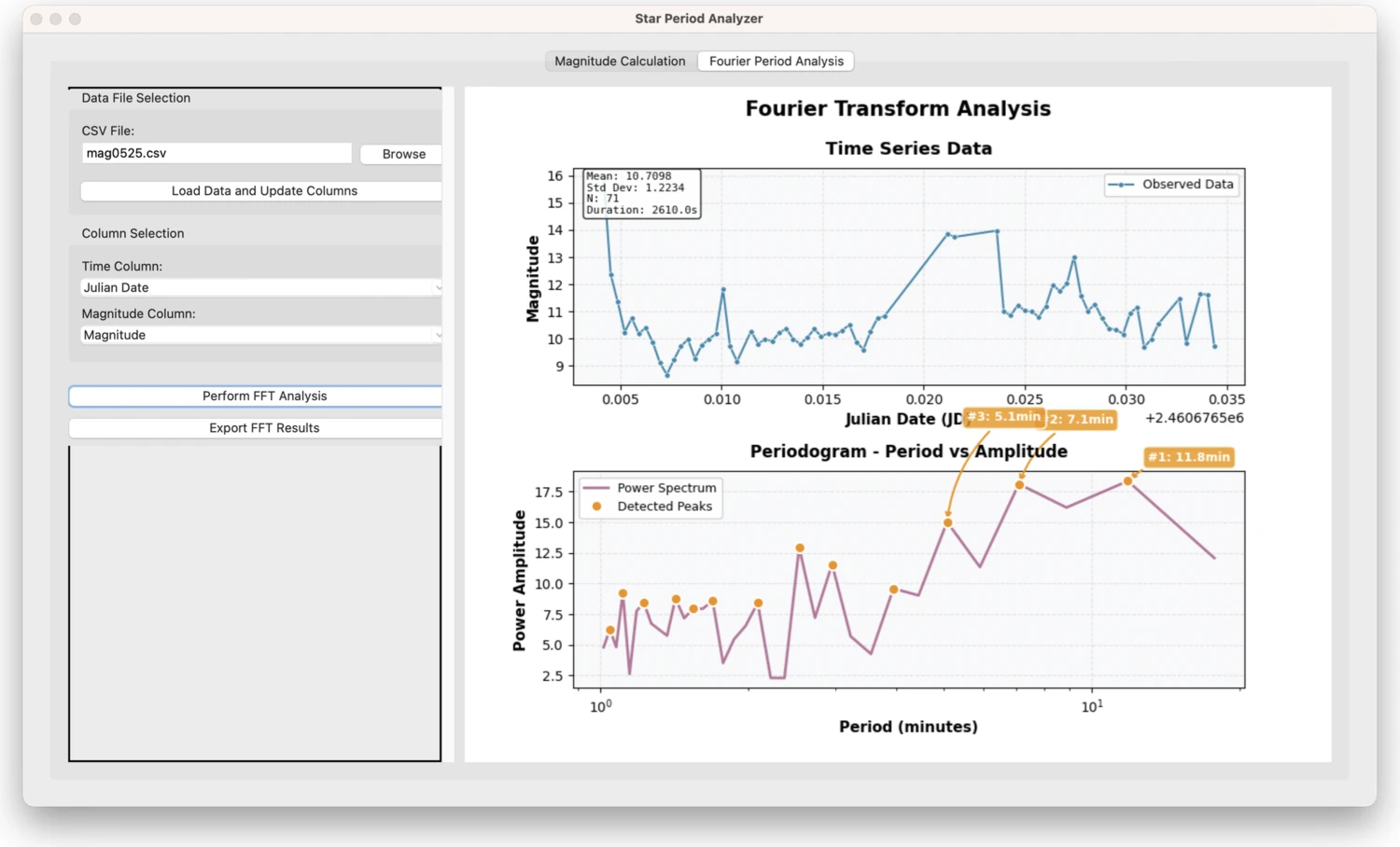
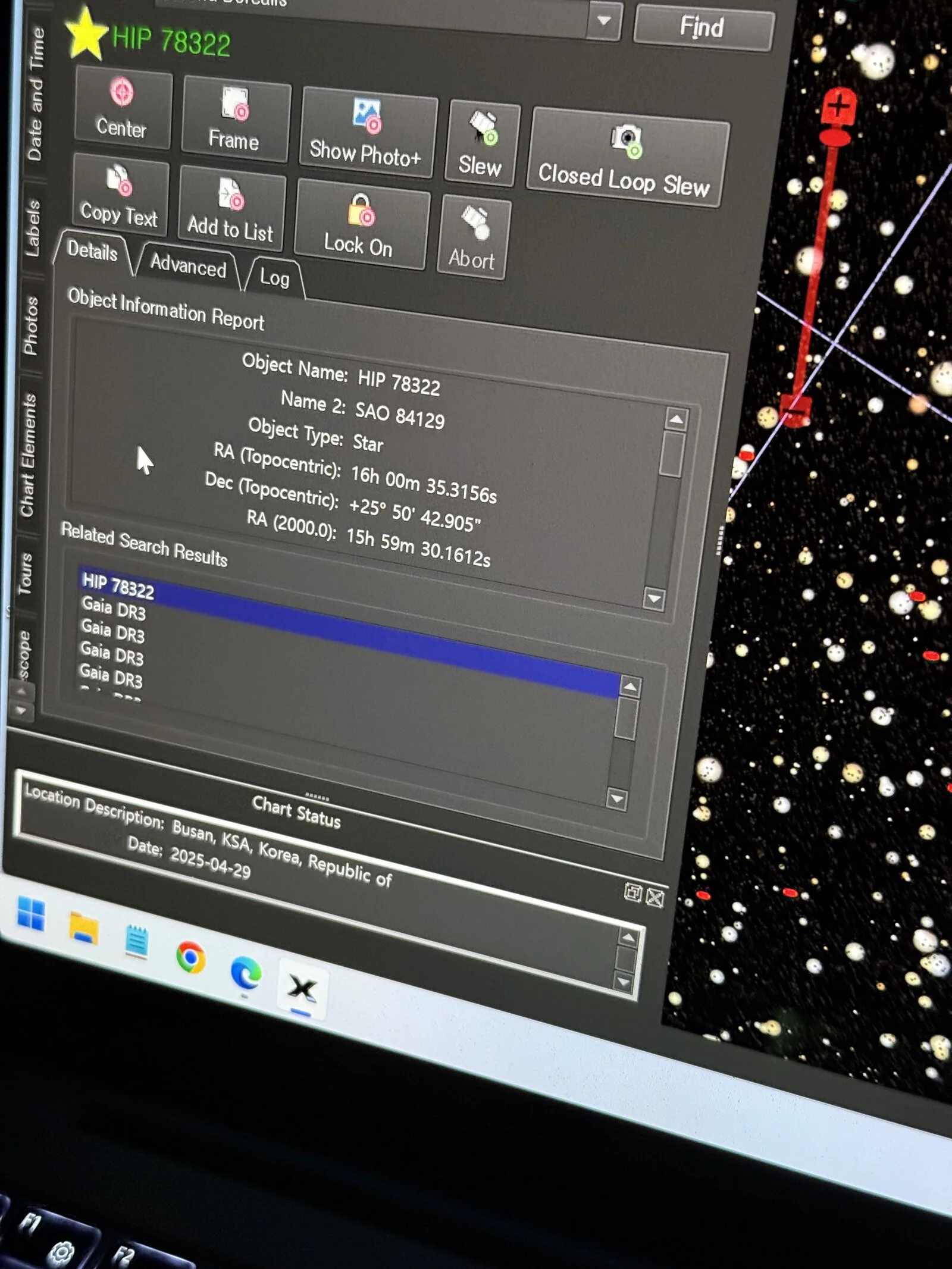
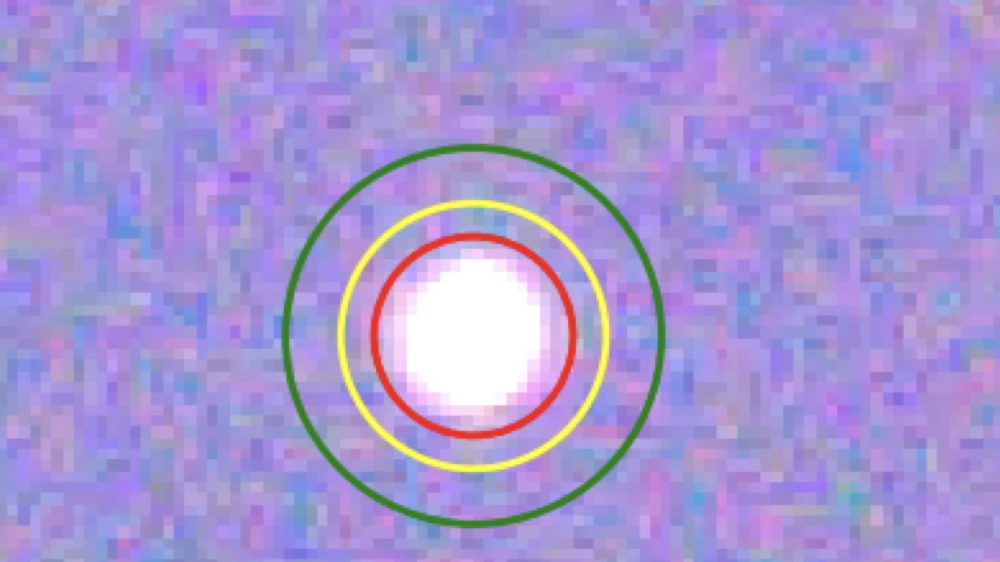
A finished toolset and an unfinished result: the software runs, the nova is still pending. It's the project that taught me research doesn't always resolve on your timeline, and that shipping the tools can matter even when the answer doesn't arrive.