
Iodine Capture
A high-entropy ceramic that pulls radioactive iodine out of nuclear-fission byproducts, developed at KAIST's Department of Nuclear & Quantum Engineering as one of three high-school researchers.
Radioactive iodine isotopes are among the more troublesome byproducts of nuclear fission: volatile, long-lived, and hard to contain. The project set out to design a material that adsorbs them and holds on, so they can be safely locked away rather than escaping.
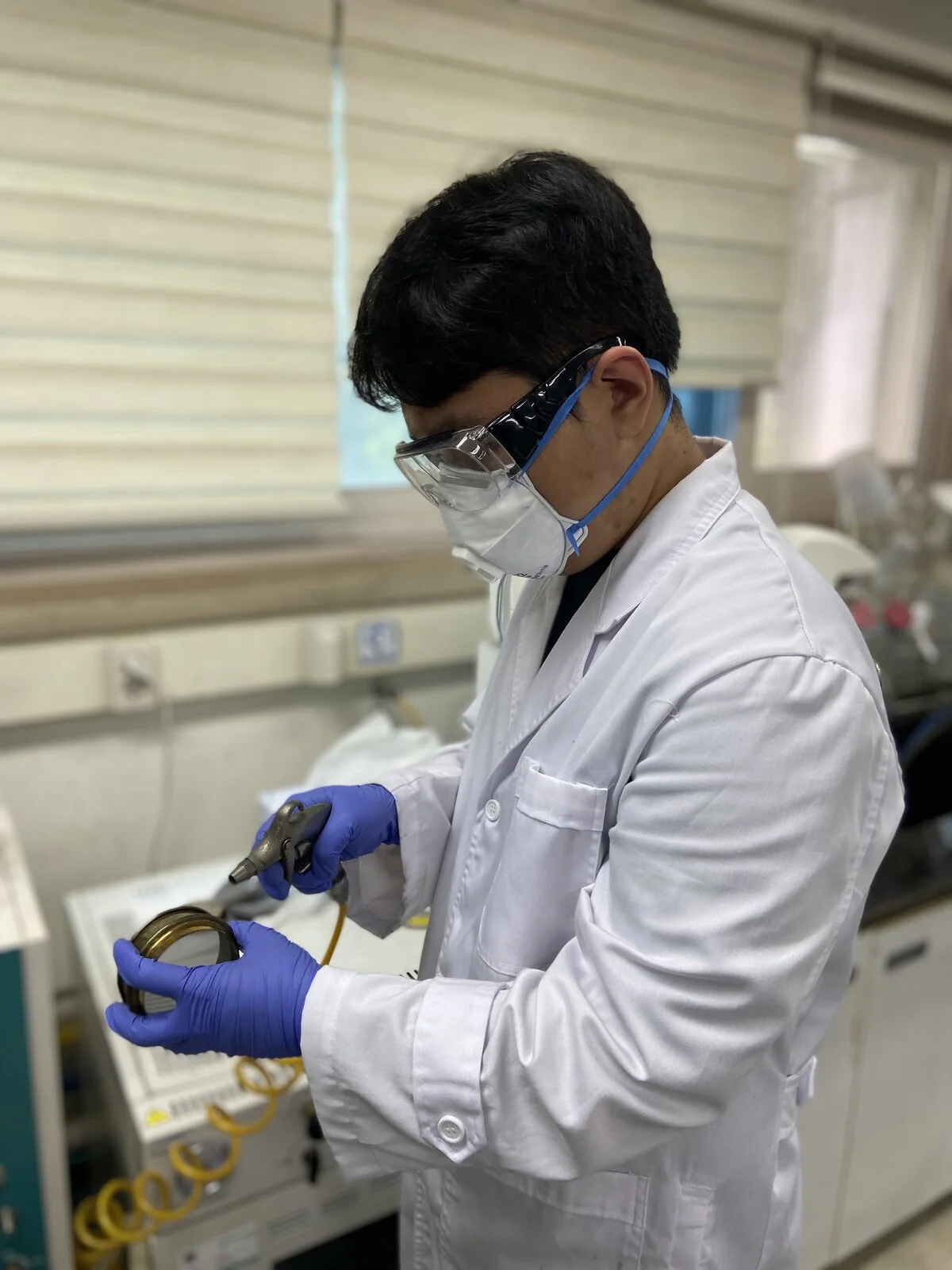
To study the problem beyond what a school lab could support, the three of us reached out to KAIST, where a lab in the Department of Nuclear & Quantum Engineering took us on. My work centered on the adsorbent, a high-entropy ceramic whose deliberately disordered, many-element structure gives iodine somewhere to bind.
To study the problem properly, the three of us reached out to KAIST, and a lab in the Department of Nuclear & Quantum Engineering took us on as high-school researchers.
Chose a high-entropy ceramic for its disordered, defect-rich structure, the kind of surface that gives iodine somewhere to stick.
Trained models on the two- and three-metal adsorption data to predict which of the far larger set of four- and five-metal compositions would be synthesisable and capture iodine best.
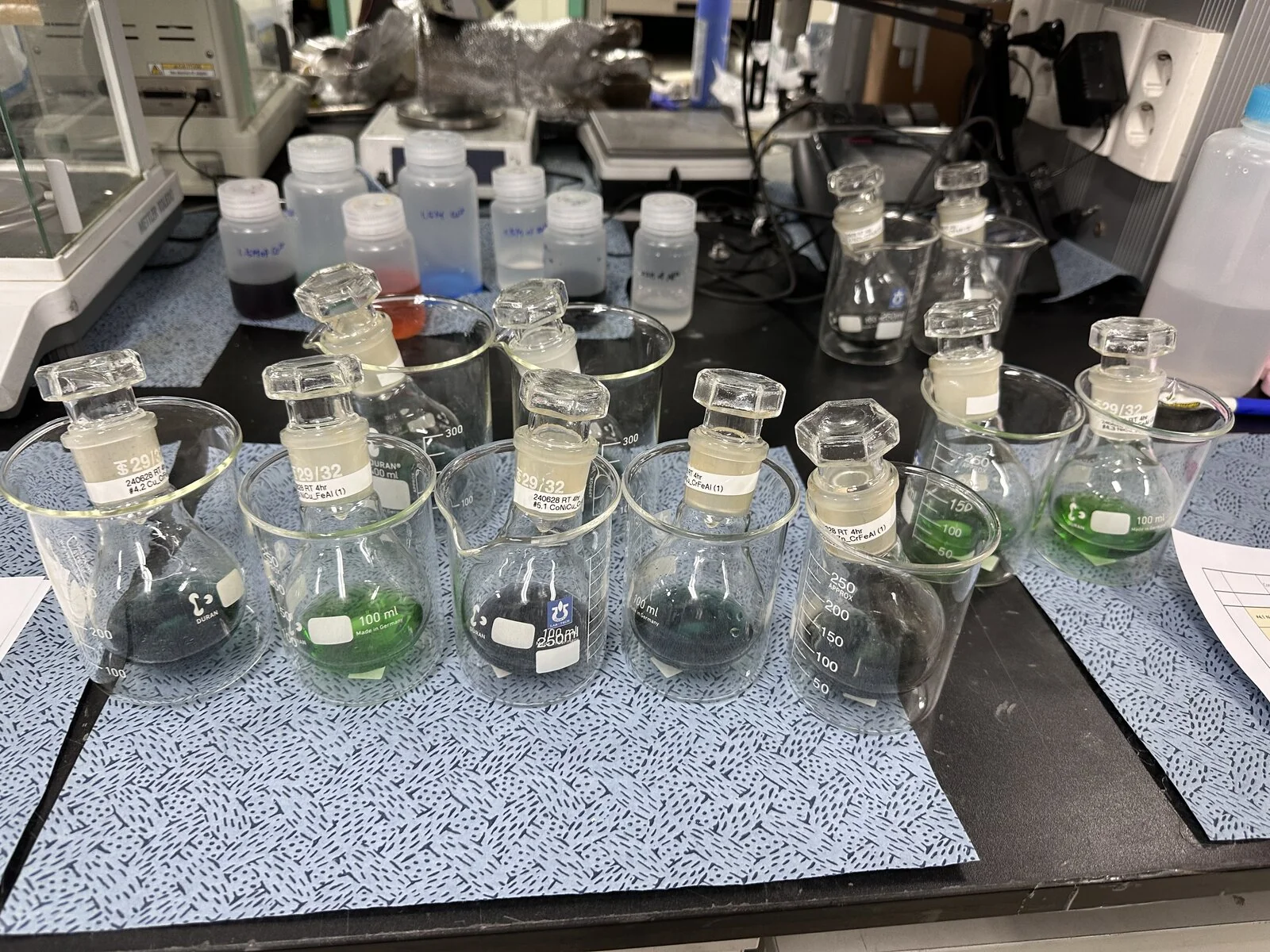
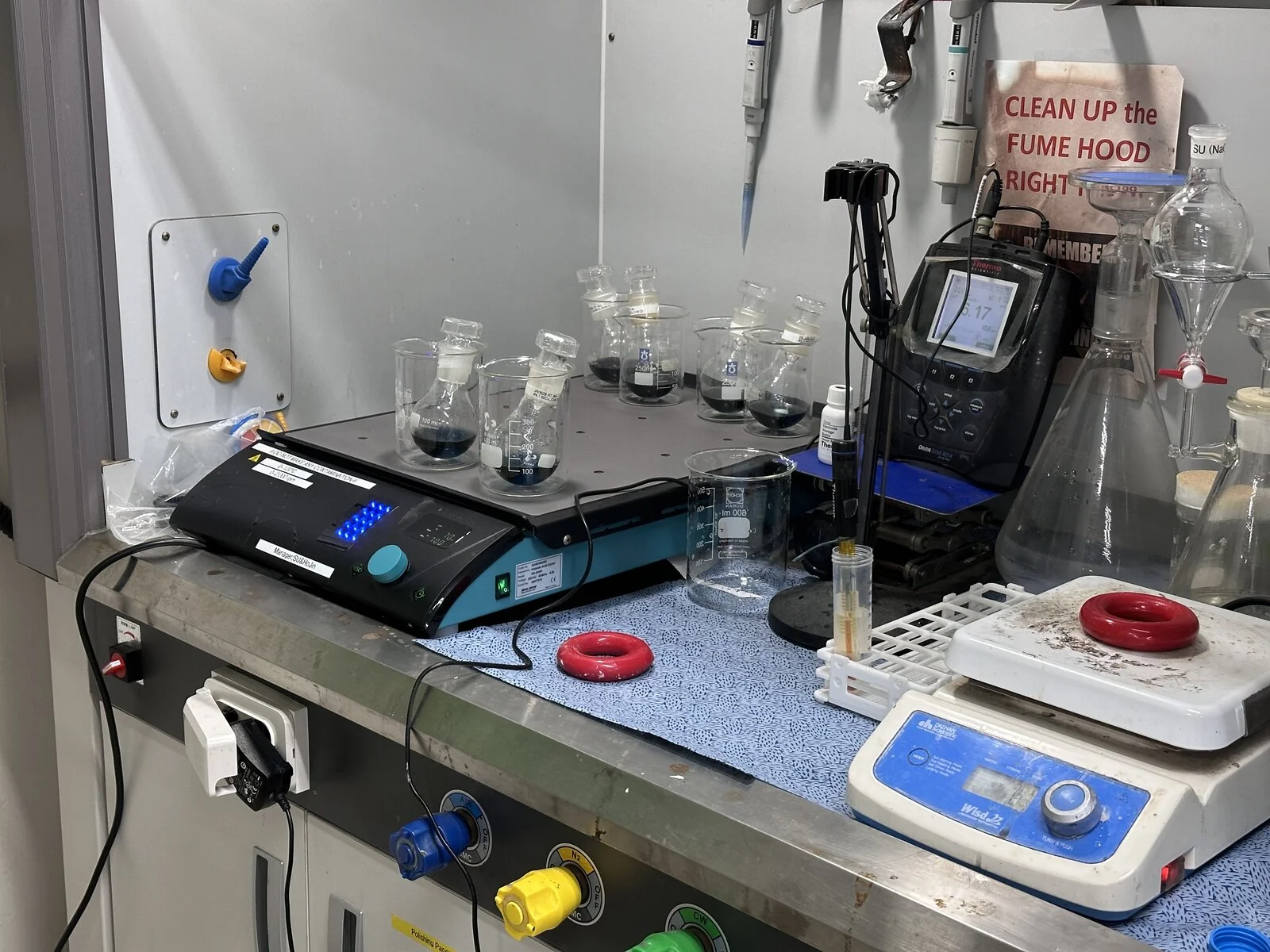
Made the material and measured how well it captured iodine, iterating on composition toward better adsorption.
The work became our entry at Regeneron ISEF 2025, representing Korea, alongside a national KSEF Gold and the Ricoh Sustainability Award.
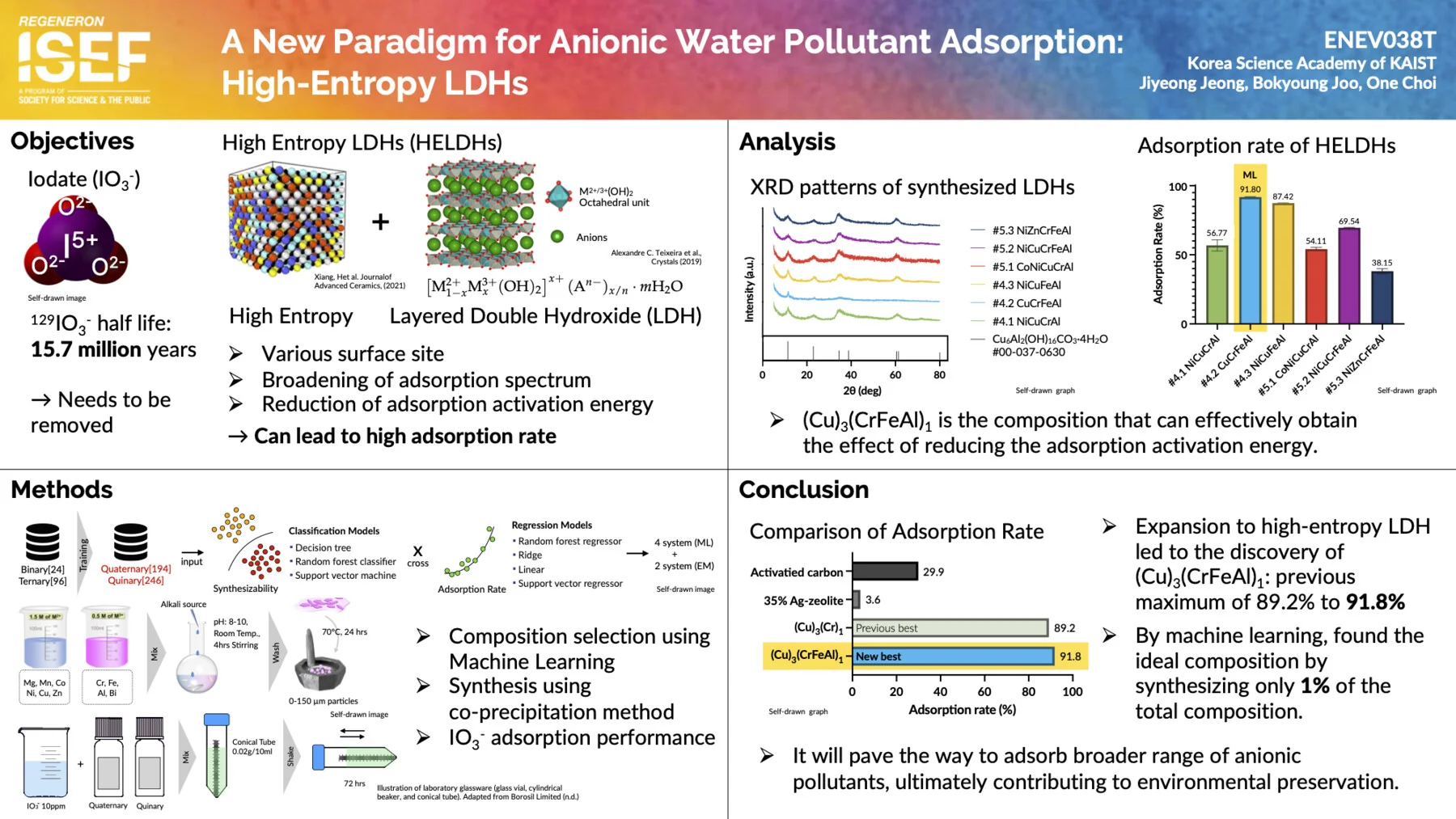
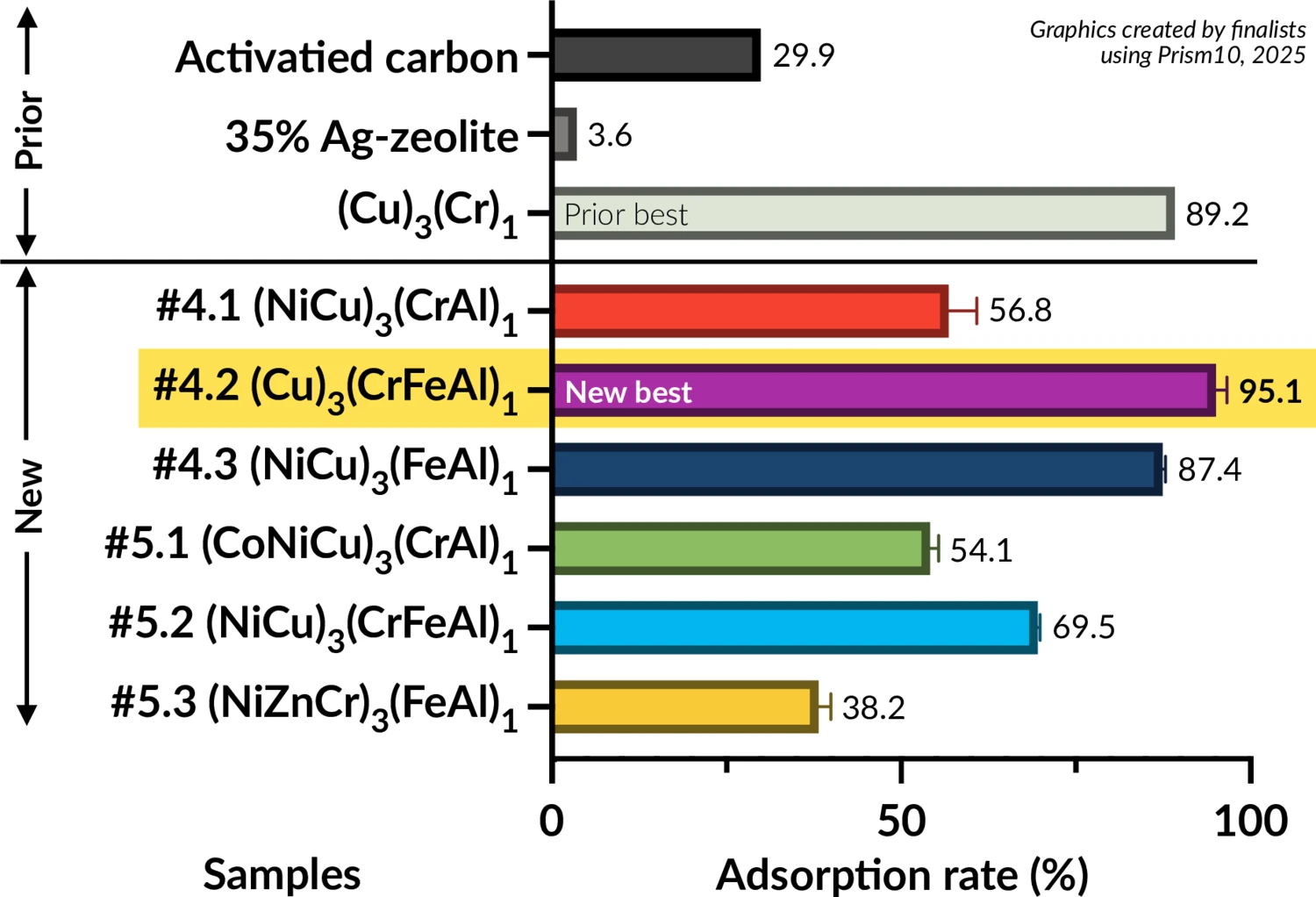
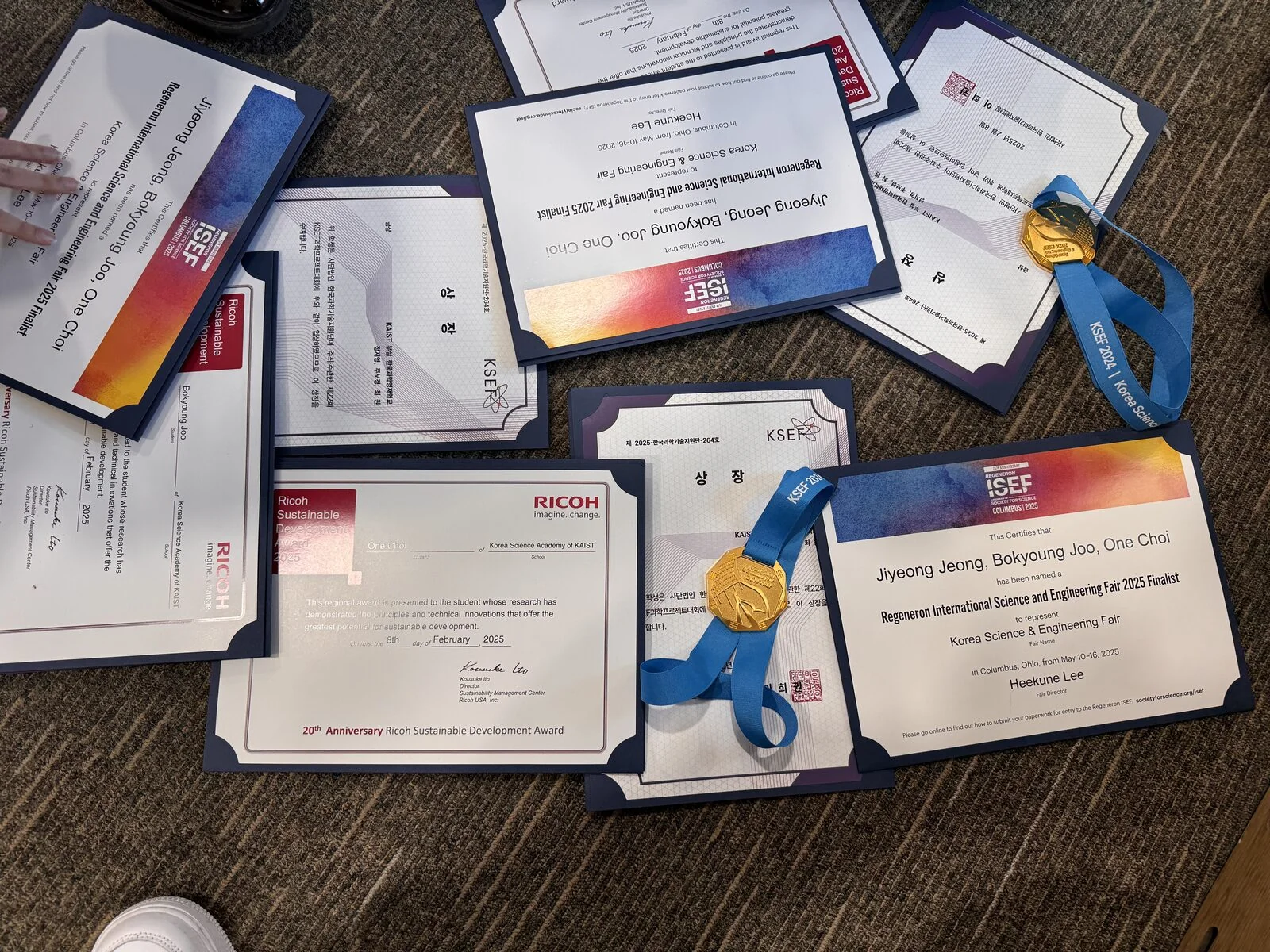
Regeneron ISEF 2025 Finalist for Korea, a KSEF Gold Award, and the Ricoh Sustainable Development Award. The ceramic captured 95.1% of the iodine, a new best, and the same high-entropy approach extends to other anionic water pollutants, not just radioactive iodine.